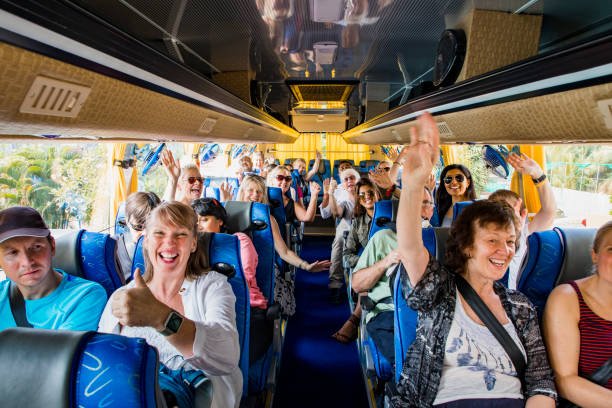
When was the last time you took a trip on a tourist bus? For many of us, it’s a vivid memory—whether it was a cross-country road trip or a city sightseeing tour. Tourist buses have become an integral part of travel experiences, offering not just transportation but also an opportunity to relax, socialize, and enjoy the journey. Over the years, the design of these buses has evolved significantly, blending comfort with aesthetics to meet the needs of modern travelers.
As someone who has always been fascinated by how design impacts our experiences, I’ve spent time exploring how tourist bus design has developed. From ergonomic seating to eco-friendly materials, every detail contributes to creating a memorable journey. Let’s dive into how these innovations have shaped the way we travel.
The Evolution of Tourist Buses
Tourist buses have come a long way since the days of horse-drawn omnibuses in 19th-century Europe. Back then, functionality was the primary focus—getting people from point A to point B efficiently. These early buses were simple and utilitarian, offering little in terms of comfort or style.
Fast forward to today, and tourist buses are marvels of modern engineering and design. They’re no longer just about transportation; they’re mobile lounges equipped with plush seating, climate control, entertainment systems, and even Wi-Fi. This transformation reflects a broader trend in travel: the journey is now as important as the destination.
Comport: The Heart of Modern Bus Design
Comfort is arguably the most critical factor in tourist bus design. After all, no one wants to spend hours on a cramped seat with little legroom. Designers have tackled this challenge by focusing on several key aspects:
- Ergonomic Seating: Modern tourist buses feature seats designed to support posture and reduce fatigue during long journeys. Adjustable headrests, lumbar support, and reclining options ensure that passengers can relax comfortably.
- Ample Space: Legroom is no longer an afterthought. Designers are prioritizing generous spacing between seats to enhance passenger comfort and mobility.
- Climate Control: Advanced air conditioning systems maintain a comfortable temperature regardless of weather conditions outside. Some buses even offer individual climate controls for passengers.
- Onboard Amenities: Features like USB charging ports, Wi-Fi connectivity, and entertainment screens transform buses into mobile hubs where passengers can work or unwind.
These innovations reflect a shift toward prioritizing passenger well-being—a far cry from the utilitarian designs of the past.
Aesthetics : More Than Just Looks
While comfort is essential, aesthetics play an equally important role in shaping passenger experiences. A well-designed interior can make a bus feel inviting and luxurious, turning what might otherwise be a mundane journey into an enjoyable experience.
Here are some ways aesthetics are being incorporated into tourist bus design:
- Lighting: Thoughtful lighting solutions create a welcoming ambiance. Soft LED lights are often used to reduce glare and enhance the overall aesthetic appeal.
- Color Schemes: Designers are moving away from dull, monotonous interiors in favor of vibrant color palettes that evoke energy and excitement.
- Material Choices: High-quality materials like leather or eco-friendly fabrics add a touch of sophistication while ensuring durability.
- Consistency in Design Language: A cohesive design language—where every element from seat patterns to wall textures aligns—creates a sense of harmony within the space.
Aesthetics aren’t just about appearances; they influence how passengers feel during their journey. A thoughtfully designed bus interior can evoke feelings of relaxation and even excitement for what lies ahead.
Sustainability: The Future of Bus Design
In recent years, sustainability has become a driving force in tourist bus design. As travelers grow more environmentally conscious, manufacturers are responding by incorporating eco-friendly materials and energy-efficient technologies.
- Sustainability Materials: Upholstery made from recycled fabrics or natural fibers like bamboo is becoming increasingly popular. These materials not only reduce environmental impact but also offer unique textures and finishes.
- Energy Eficiency: Advances in engine technology and lightweight materials help reduce fuel consumption without compromising performance.
- Solar Integration: Some buses now feature solar panels to power onboard amenities like lighting and air conditioning systems.
These innovations demonstrate that comfort and aesthetics don’t have to come at the expense of sustainability. In fact, they can complement each other beautifully.
Technology Integration: Enhancing Passenger Experience
Technology is another area where tourist bus design has seen remarkable advancements. From smart features that enhance convenience to entertainment systems that keep passengers engaged, technology has redefined what we expect from bus travel.
- Infotainment Systems: High-definition screens offer movies, music, and even interactive maps that highlight points of interest along the route.
- Real-Time Updates : GPS tracking systems provide real-time updates on arrival times and traffic conditions.
- Smart Climate Controls: Passengers can adjust their individual climate settings via mobile apps or onboard touchscreens.
These features not only improve functionality but also add an element of personalization to the travel experience.
Challenges in Balancing Comport and Aesthetics
Despite these advancements, designing tourist buses isn’t without its challenges. One major hurdle is balancing comfort with capacity. While spacious seating arrangements enhance comfort, they can reduce the number of passengers a bus can accommodate—affecting profitability for operators.
Another challenge lies in catering to diverse passenger needs. For instance:
-
Families may prefer lounge-style seating where they can interact easily.
-
Solo travelers might prioritize privacy over social interaction.
-
Older passengers may require features like easier access to seats or enhanced safety measures.
Designers must strike a delicate balance between these competing demands while maintaining aesthetic appeal and operational efficiency.
The Role of Feedback in Design
One thing I’ve learned from studying tourist bus design is that passenger feedback is invaluable. Many of today’s innovations—like ergonomic seats or onboard Wi-Fi—stem directly from listening to what travelers want. This iterative approach ensures that designs continue to evolve in line with passenger expectations.
For example:
-
Surveys often reveal pain points like insufficient storage space or poor lighting.
-
Focus groups provide insights into how different demographics perceive comfort and aesthetics.
By incorporating this feedback into their designs, manufacturers can create buses that truly resonate with passengers.
Final Thoughts
The development of tourist bus design is a fascinating blend of art and science. It’s about more than just creating vehicles—it’s about crafting experiences that leave lasting impressions on travelers. From ergonomic seating to sustainable materials and cutting-edge technology, every detail contributes to making journeys more enjoyable.
As someone who loves both travel and design, I find it inspiring to see how far we’ve come—and exciting to imagine what lies ahead. Whether it’s through smarter layouts or greener technologies, one thing is clear: the future of tourist bus design is as bright as ever.
So next time you board a tourist bus, take a moment to appreciate the thoughtfulness behind its design. After all, it’s not just about getting you there—it’s about making sure you enjoy every mile along the way!