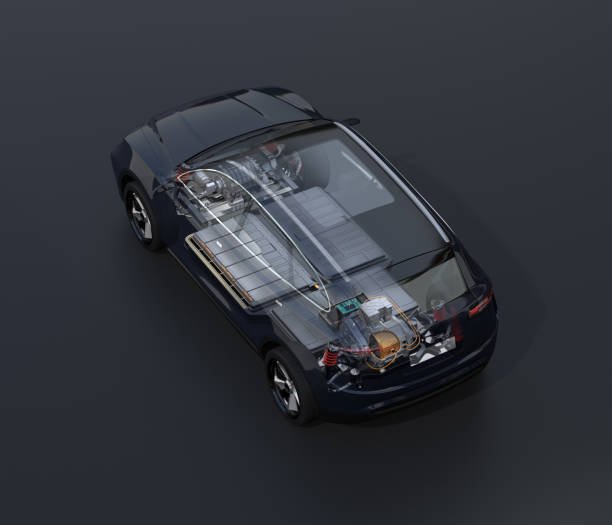
Hybrid technology in commercial vehicles is increasingly in the spotlight in this modern era, especially with the increasing awareness of fuel efficiency and environmental impact. Hybrid vehicles, which combine a conventional engine with an electric motor, offer an attractive solution to the challenges facing the automotive industry today. In this paper, we will explore the efficiencies offered by hybrid technology, as well as the challenges that must be overcome in its implementation in the commercial vehicle sector.
Hybrid Technology Efficiency
One of the main reasons why hybrid vehicles are becoming more popular is their fuel efficiency. With hybrid technology, vehicles can save up to 30%-50% on fuel consumption compared to conventional vehicles. This is especially important for companies that operate large fleets, where fuel cost savings can have a significant impact on profitability.
Carbon Emission Reduction
Hybrid vehicles are also known for their lower carbon emissions. By utilizing an electric motor to operate under certain conditions, these vehicles can significantly reduce the carbon footprint. This is especially relevant amidst the growing concern about climate change and the need to reduce air pollution. In many countries, including Indonesia, the government provides incentives for environmentally friendly vehicles, including hybrid cars, as part of an effort to increase the adoption of this technology.
Performance and Range
Hybrid vehicles are not only fuel efficient but also offer good performance. With the combination of a gasoline engine and an electric motor, these vehicles are able to provide better torque at low speeds, which is very useful for commercial vehicles that often operate in stop-and-go conditions in urban areas. In addition, hybrid vehicles usually have a longer range compared to pure electric cars, reducing consumer concerns about “range anxiety” or anxiety about running out of power.
Challenges in Hybrid Technology Implementation
Although hybrid technology offers many advantages, there are several challenges that commercial vehicle manufacturers and users must face.
High Upfront Cost
One of the biggest challenges is the high upfront cost of purchasing a hybrid vehicle. While the running costs are lower in the long run, hybrid vehicles tend to be more expensive to purchase than conventional vehicles. This can be a barrier for many small and medium-sized businesses to switch to this technology.
System Complexity
Hybrid vehicles have more complex systems than conventional vehicles. This means that maintenance and repairs may require specialized technical skills and more sophisticated equipment. Maintenance costs can also be higher due to the greater number of components in the hybrid system.
Charging Infrastructure
A key factor in the successful adoption of hybrid vehicles is adequate charging infrastructure. While many hybrid vehicles can run on gasoline when the battery is depleted, the availability of electric charging stations is essential to maximize energy efficiency. Developing this infrastructure remains a challenge in many areas, especially in developing countries.
Public Perception and Education
There is also a challenge in terms of public perception of hybrid technology. Many consumers still do not understand the benefits and how hybrid vehicles work. Therefore, education about the benefits of using hybrid vehicles is essential to increase adoption in the market.
The Future of Hybrid Technology in Commercial Vehicles
Looking at the current trends, the future of hybrid technology seems bright. With more and more automotive manufacturers investing in research and development of this technology, we can expect to see more advanced innovations in the years to come.
Battery Innovation
One of the key areas of innovation is the development of more efficient and affordable batteries. Solid-state batteries are expected to be the solution of the future as they offer higher energy density and lower production costs. This will make hybrid vehicles even more attractive to consumers.
Government Regulation
Government support through tax incentives and environmentally friendly policies will also play an important role in accelerating the adoption of hybrid technology. With incentives such as the Government-borne Luxury Goods Sales Tax (PPnBM DTP), the selling price of hybrid cars can be reduced so that they are more competitive in the market.
Infrastructure Improvement
The development of charging infrastructure is also expected to increase along with the increasing demand for environmentally friendly vehicles. With more electric charging stations available, hybrid car users will feel more comfortable in using their vehicles.
Conclusion
Hybrid technology in commercial vehicles offers an attractive solution to the challenges of fuel efficiency and carbon emissions. While there are some challenges in its implementation, innovation continues to grow and government support and public awareness of the importance of sustainability provide positive hope for the future of this technology.
By continuing to improve understanding of the benefits of hybrid technology and addressing these challenges, we can expect to see a significant increase in the use of these environmentally friendly vehicles in the commercial sector in the years to come.