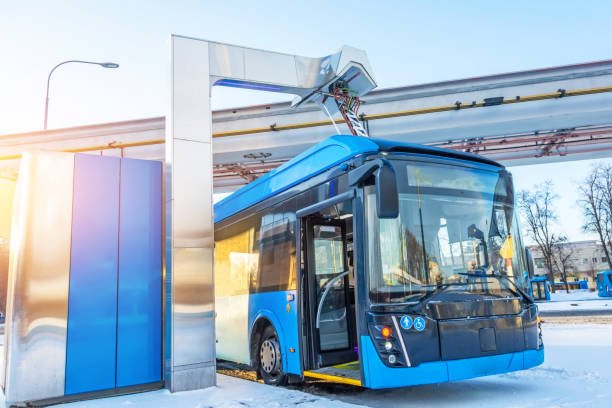
I still remember the first time I saw an electric bus on a city street. It was like a glimpse of the future—a large, noisy, smoky vehicle now chugging along quietly without a loud, black exhaust note. As environmental awareness and the need for cleaner transportation grow, electric vehicles, especially electric buses, are starting to play a bigger role in public transportation systems in cities around the world.
But how exactly are electric buses impacting transportation? Are they truly more efficient, or are there still major challenges ahead? Let’s dive deeper.
Why Electric Buses?
Public transportation is the backbone of urban mobility. However, fossil fuel vehicles that still dominate the transportation system produce large amounts of greenhouse gas emissions. This is why many cities are turning to electric vehicles, especially electric buses, which offer a variety of benefits:
- Eco-Friendly: No direct carbon emissions, reducing air pollution and its adverse effects on public health.
- Energy Efficient: Electric vehicles are more energy efficient than internal combustion engines.
- Noise Reduction: Electric buses operate quieter than diesel buses, increasing comfort in urban environments.
- Lower Operating Costs: Although the initial price is higher, maintenance and operating costs are lower in the long run due to fewer components to wear out.
Case Study: Electric Bus Implementation in Several Cities
Let’s see how several cities around the world have implemented electric buses in their transportation systems and what we can learn from them.
1. Shenzhen, China
The City with 100% Electric BusesShenzhen is the most prominent example of successful implementation of electric buses. In 2017, the city successfully replaced its entire bus fleet with electric vehicles—over 16,000 units!
Lessons from Shenzhen:
- Extensive charging infrastructure is essential.
- Government subsidies and tax incentives help accelerate the transition.
- Efficient operational management is needed to optimize power usage.
2. London, England:Hybrid to Full Electric
London has long been working to reduce emissions from public transport by adopting hybrid and electric buses. One initiative is the introduction of Ultra Low Emission Zones (ULEZ) which restrict fossil fuel vehicles to certain areas.
Lessons from London:
- A gradual transition from diesel buses to hybrid buses and eventually to electric buses could be an effective strategy.
- Strict regulations could accelerate the adoption of green technologies.
- Cooperation with private companies and bus manufacturers is essential for successful implementation.
3. Jakarta, Indonesia: Electric Bus Trial and Development
As part of its efforts to reduce air pollution, Jakarta has begun testing electric buses in the TransJakarta system. With the target of gradual electrification, the government is working to improve its supporting infrastructure.
Lessons from Jakarta:
- Charging infrastructure remains a major challenge.
- Collaboration with the private sector and investors is essential to fund this project.
- Public education and driver training are needed to ensure a smooth transition.
Challenges in Electric Bus Implementation
Despite its many advantages, the adoption of electric buses in public transportation still faces several challenges:
- High Initial Cost
Electric buses have a higher purchase price than conventional diesel buses. However, lower operating costs can make up for this difference in the long run. - Charging Capacity and Infrastructure
A sufficient network of charging stations is needed to enable buses to operate efficiently without long downtimes. - Battery Life and Charging Time
Long charging times and limited range on a single charge are still obstacles, even though battery technology continues to advance. - Human Resources Training and Technology Adaptation
Drivers and technicians need to be trained in operating and maintaining electric buses that have different systems from diesel buses.
The Future of Electric Buses in Public Transportation
As technology continues to advance, many of the challenges in electric bus adoption can be overcome. Some of the trends we can expect in the near future include:
- More Advanced Battery Technology:
Batteries with longer life and faster charging will accelerate the adoption of electric vehicles. - Infrastructure Improvements:
Cities around the world are increasingly investing in charging stations to support electric vehicles. - Integration with Renewable Energy:
If the electricity used comes from green energy sources, the positive impact on the environment will be greater.
Conclusion
Electric buses play a vital role in the revolution of greener public transportation. While challenges remain, the long-term benefits of reducing carbon emissions and increasing energy efficiency make them an increasingly attractive option for cities around the world.
With support from governments, the private sector and the public, the future of electric transportation is no longer just a concept, but a reality. Is your city ready for the electric bus era?